

Many people buying Panax notoginseng powder for the first time see prices ranging from tens to hundreds, with colors from light yellow, grayish white to deep yellow. Which one is actually good? I was confused at first too, but after visiting the production areas several times and consulting experts, I realized that choosing notoginseng powder really can’t rely on color alone. Today, I’ll share my experience so you can understand how to choose at once.
Color Depth Doesn’t Indicate Quality, Focus on These 2 Points
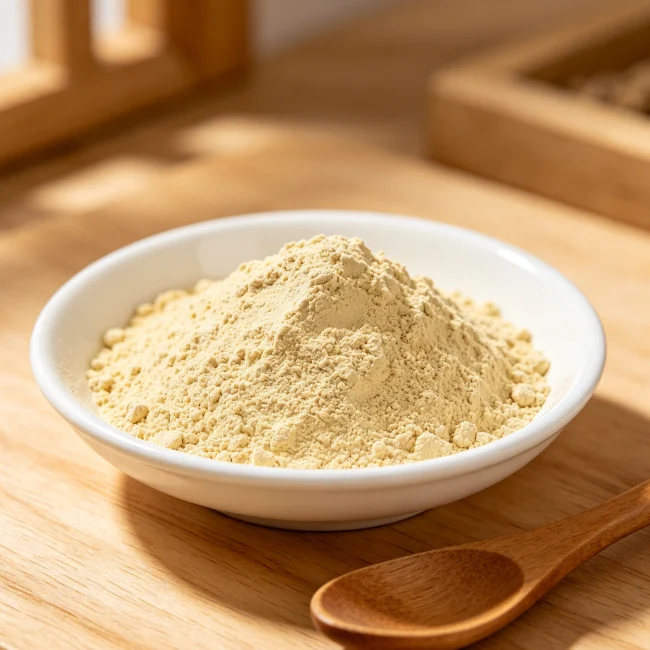
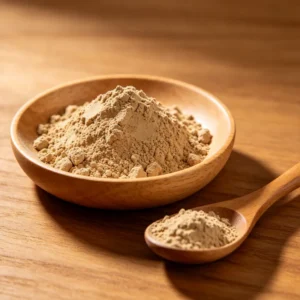
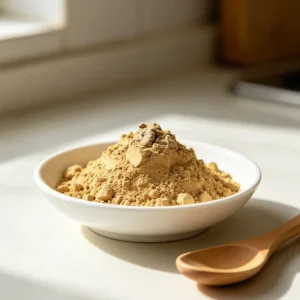
Many people think that the darker the Panax notoginseng powder, the better, but this is actually a misconception. Pure Panax notoginseng powder is grayish-yellow or light earthy yellow, not particularly dark. If you see a very dark, blackish, or reddish color, it’s likely that other ingredients have been added.
What truly affects quality are the origin, growth years, and processing method of the Panax notoginseng. Wenshan in Yunnan is a recognized high-quality origin, where the spring-harvested notoginseng has plump heads and high active ingredient content. Generally, notoginseng aged three years or more is more mature, and the powder ground from it is more stable in quality.
Additionally, the grinding method is important. Traditional sun-drying followed by grinding results in a naturally lighter color; if it’s baked or dyed to improve appearance, the nutrients are actually destroyed. So don’t be fooled by color anymore.
How to Avoid Pitfalls When Choosing? 3 Practical Methods
First method: Check the fineness of the powder. High-quality Panax notoginseng powder feels smooth and fine, like flour, without any rough graininess. If it feels sandy, it may have been adulterated.
Second method: Smell it. Good Panax notoginseng powder has a rich herbal aroma with a slightly bitter medicinal scent. If it smells sour, musty, or has a pungent chemical odor, there’s definitely a problem.
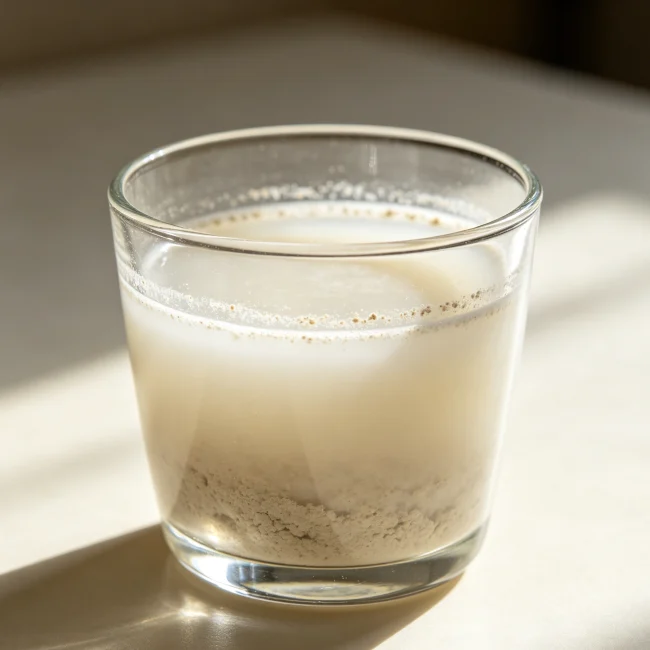
Third method: Test with water. Take a small spoonful of Panax notoginseng powder and put it in a clear glass, then add warm water and stir. Pure Panax notoginseng powder will turn the water into a cloudy milky white, with minimal layering after settling. If the water clears quickly or has sediment, be cautious.
How Does Origin Make a Difference? Why Wenshan Notoginseng is Famous
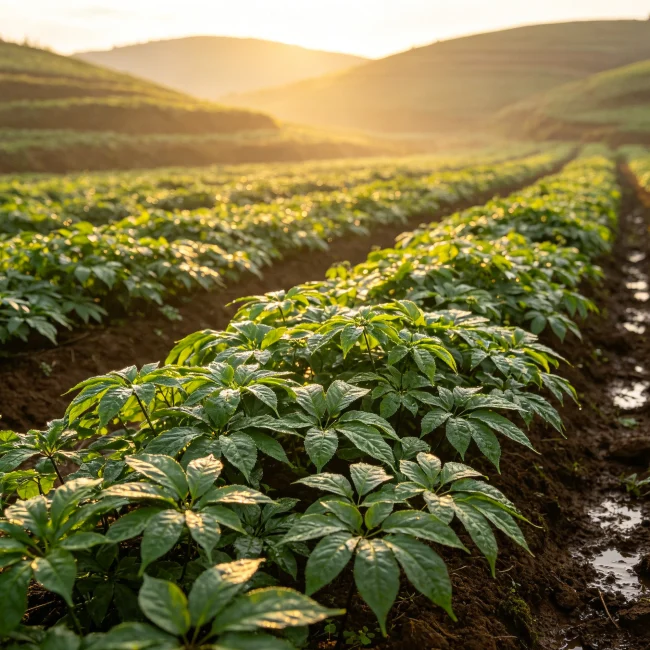
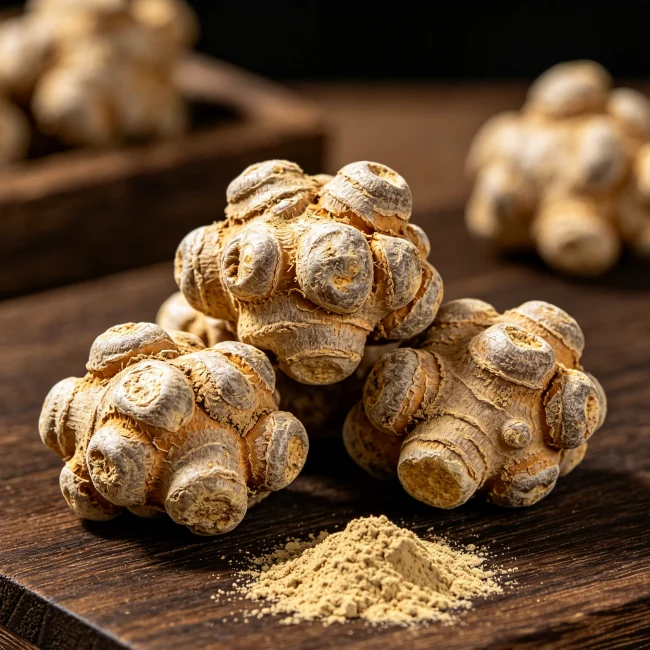
Panax notoginseng has high requirements for its growing environment. Wenshan in Yunnan, with its suitable altitude, climate, and soil, produces the best quality notoginseng. The characteristics of Wenshan notoginseng are: round shape, firm texture, and rich flavor.
Although other regions also cultivate it, there will be differences in taste, aroma, and nutritional content. So when buying Panax notoginseng powder, remember to check the origin label on the packaging. If it’s labeled as non-Wenshan origin and the price is particularly low, be extra cautious.
In my personal experience, powder made from three-year-old Wenshan notoginseng has a pure flavor and is not unpleasant to drink with water. Although the price is higher, the quality is guaranteed.
How to Consume Panax Notoginseng Powder Most Conveniently? 2 Common Methods
The simplest way is to take it with warm water. It is recommended to use warm water below 60 degrees Celsius, as higher temperatures can destroy nutrients. Take a small spoonful (about 2-3 grams) each time, stir well, and drink directly. It might taste a bit bitter at first, but you’ll get used to it.
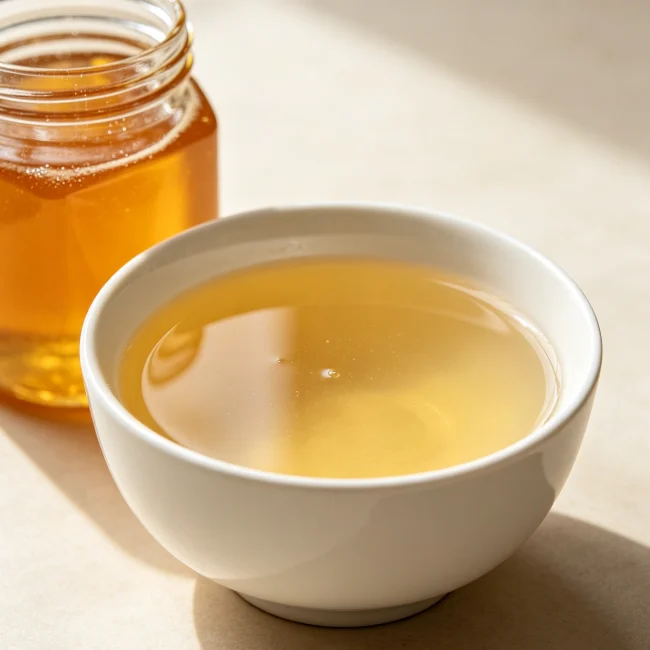
Another method is to mix it with honey. First, dissolve the Panax notoginseng powder in a small amount of warm water, then add a spoonful of honey and stir. The sweetness of honey can neutralize the bitterness, improving the taste. I personally prefer this method; having a cup every morning makes me feel energetic.
One more tip: If you don’t like the powdery texture, you can buy Panax notoginseng slices to stew in soups. Add a few slices when stewing chicken or pork rib soup; the broth will have an extra refreshing aroma, and the nutrients can be released.
Check This Before Buying: Price Reference and Storage Reminders
The price of Panax notoginseng powder on the market varies greatly, from tens to hundreds per catty. Under normal circumstances, powder made from three-year-old Wenshan notoginseng costs around 200-400 yuan per catty. If it’s below 100 yuan, you should suspect adulteration.
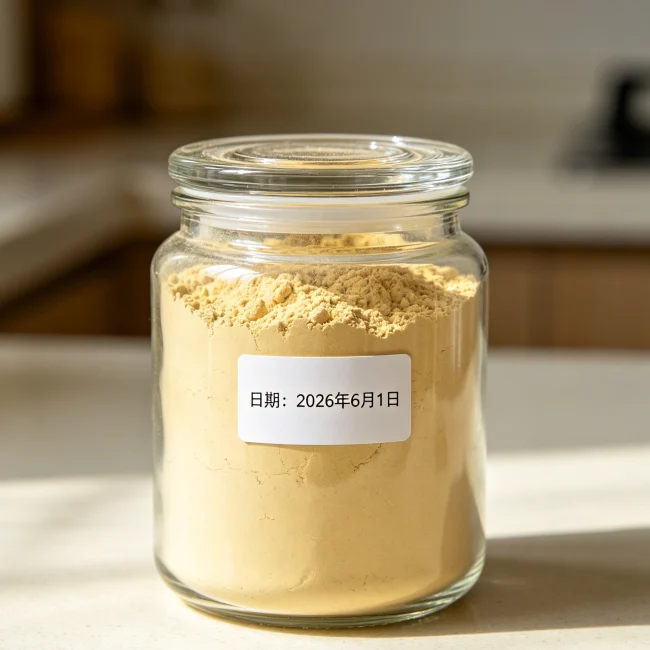
For storage, Panax notoginseng powder is sensitive to moisture, light, and high temperatures. It is recommended to store it in a sealed container in a cool, dry place, or directly in the refrigerator. Once opened, it’s best to consume it within 3 months, as the aroma will dissipate over time.
Additionally, it’s important to note that during a cold or when experiencing gastrointestinal discomfort, it’s advisable to temporarily stop consumption. Pregnant women and those during menstruation are also advised to pause consumption.
These are my summarized tips for selecting and consuming Panax notoginseng powder. I hope they are helpful to you. If you have any useful tips, feel free to share them in the comments. If you like it, remember to like and follow. Let’s exchange more knowledge about ingredients together.
 Community Discussion

No comments yet. Be the first to leave a comment!