

American ginseng, also known as Xi Yang Shen or Hua Qi Shen, is a popular ingredient for making soup or tea, prized for its energy-boosting properties and pleasant taste. But have you ever wondered what happens if you eat too much of it? Can it actually be used in soups? Today, I’ll address all these questions clearly, sharing personal experiences and selection tips to help you avoid common pitfalls.
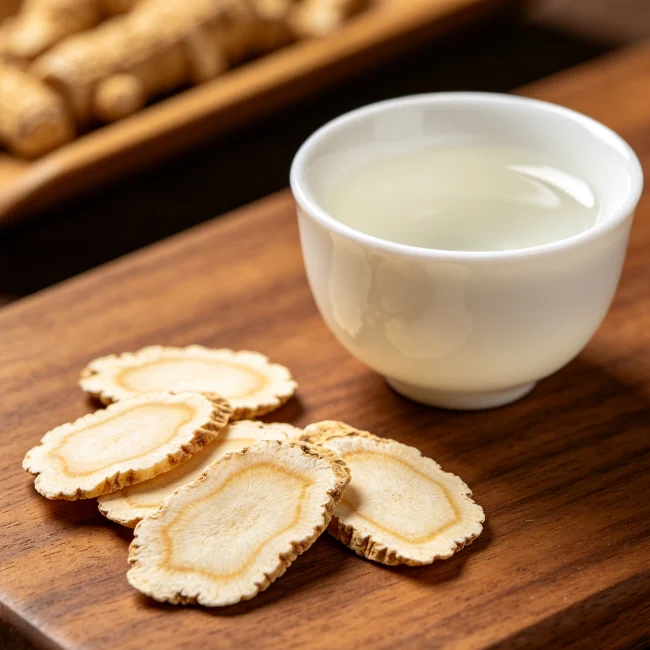
What Does It Feel Like to Eat Too Much American Ginseng?
When I first started using American ginseng, I found its taste sweet and pleasant, so I drank it steeped in water for several days straight. By the third day, I felt bloated and my appetite decreased. After asking a knowledgeable friend, I learned that while American ginseng is beneficial, consuming too much can put a strain on the digestive system.
Generally, it’s recommended to consume American ginseng in moderation. If you drink it like plain water, having several cups a day or using too many slices at once, your body might experience discomfort. Common reactions include gastrointestinal upset, and some people may feel dry mouth and throat.
So my advice is to limit yourself to one or two cups of American ginseng tea per day, using just two to three slices per cup. Don’t overdo it. After all, it’s a nourishing ingredient that works best with consistent, moderate use rather than a sudden heavy dose.
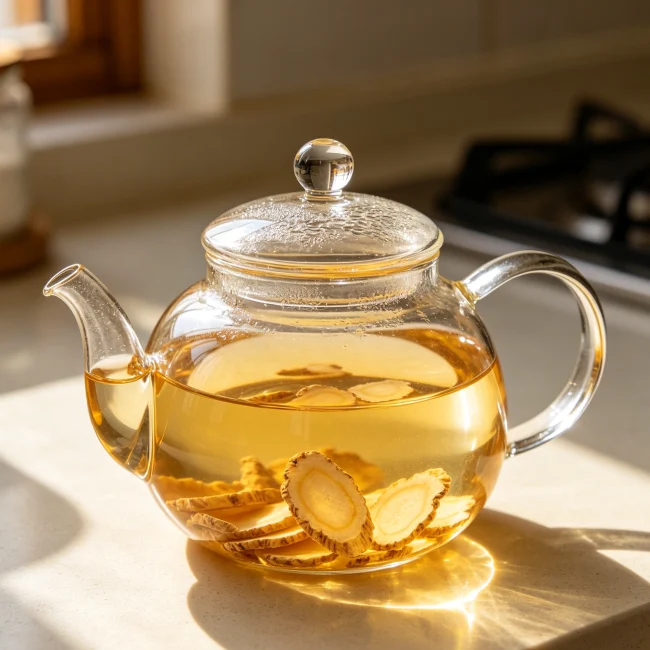
Can American Ginseng Be Used in Soup? How to Cook It Properly?
Absolutely! Using American ginseng in soup is one of my favorite methods, especially when paired with chicken or pork ribs. The broth develops a subtle sweetness without any bitter medicinal taste.
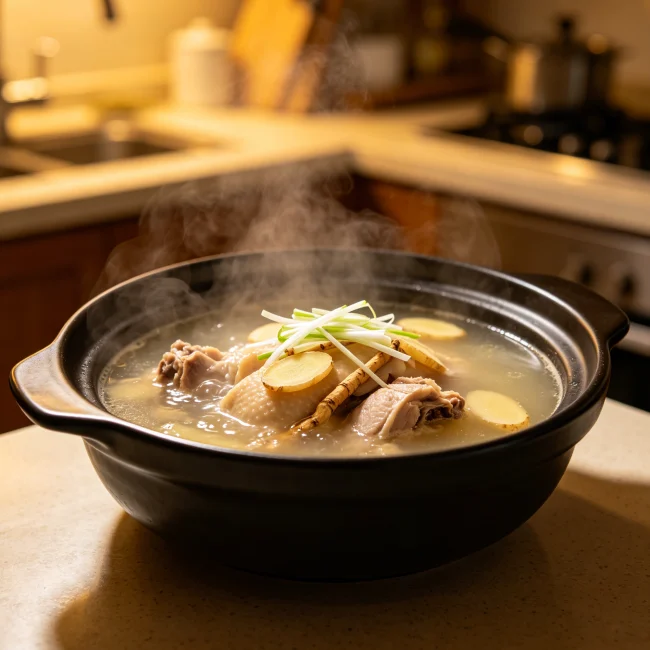
The steps are simple: First, rinse the American ginseng slices briefly with water—no need to soak them long. Second, blanch the chicken or ribs to remove impurities, then place them in a soup pot. Third, add the ginseng slices, a few red dates, two slices of ginger, and enough water. Fourth, bring to a boil over high heat, then reduce to low heat and simmer for about an hour and a half. Finally, season with salt to taste.
The resulting soup has the ginseng flavor fully infused, making it very smooth to drink. I personally like to eat the ginseng slices as well; they become soft, similar to well-cooked white radish.
How to Choose American Ginseng to Avoid Low-Quality Products?
The price of American ginseng on the market varies greatly, from a few hundred yuan per pound to several thousand. Honestly, I fell into a trap on my first purchase, buying slices that were pale white, had a sour smell, turned the water cloudy when steeped, and tasted bitter.
Later, I learned a few identification methods, which I’ll share with you:
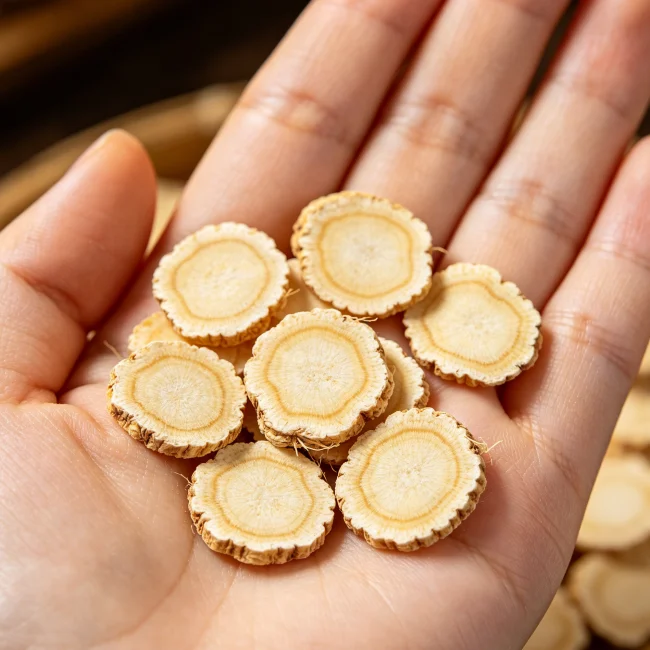
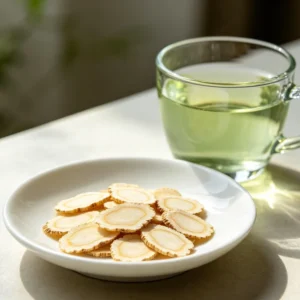
- Check the color: High-quality American ginseng slices are light yellow or beige with fine ring patterns on the surface. If the color is too white or too yellow, it may have been sulfur-fumigated.
- Smell it: Good American ginseng has a subtle, pleasant ginseng aroma, similar to the fragrance of ginseng. If you detect a sour or pungent smell, it’s best to avoid it.
- Feel the texture: Dried American ginseng slices are hard and brittle, breaking easily with a clean snap. If the slices feel soft, they may have absorbed moisture.
- Taste it: When you hold American ginseng in your mouth, it should first be slightly bitter, then return with sweetness, and finally have a distinct sweet aftertaste. If it’s only bitter without the sweet return, the quality is poor.
In terms of price, decent quality American ginseng slices generally cost between 800 and 1500 yuan per pound. If the price is significantly lower, be cautious.
Does the Origin of American Ginseng Make a Big Difference?
American ginseng is mainly produced in the United States, Canada, and China. Those from the US and Canada are often called Hua Qi Shen, with larger sizes, strong ginseng flavor, and a pronounced sweet aftertaste. Chinese-grown American ginseng is mainly from Shandong and the Northeast, with relatively lower prices but a milder ginseng flavor.
I’ve tried several types and found that American ginseng from Wisconsin, USA, has the best quality—slices with fine textures, and when steeped, the water turns a clear golden yellow. Canadian ginseng is also good, with a slightly lower price. For everyday soup cooking, domestically grown American ginseng is sufficient.
When purchasing, ask about the origin or check the packaging label. Generally, imported American ginseng is more expensive, but the quality is more assured.
What Should You Pay Attention to When Storing American Ginseng?
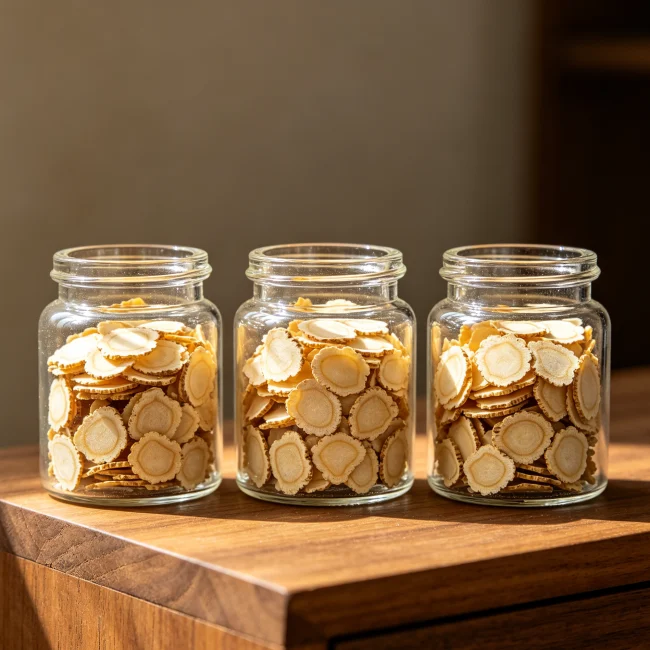
American ginseng is most afraid of moisture and mold. When I first started, I didn’t know this and left the whole bag of slices in a kitchen cabinet. After half a month, they grew white mold—I was heartbroken.
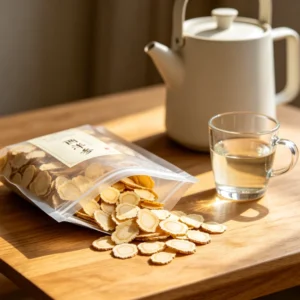
The correct storage method is: Place the American ginseng slices in an airtight container, add a small packet of desiccant, and store it in a cool, dry place. If the weather is humid, you can refrigerate it, but make sure it’s well-sealed to avoid absorbing odors.
Also, don’t buy too much at once. I recommend buying about a month’s supply. Use it up quickly after opening to ensure freshness.
Two Common Questions About American Ginseng
Can American Ginseng Be Consumed Daily?
Yes, but control the amount. My habit is to have one cup a day from Monday to Friday, and rest on weekends to give my body a break. Over the long term, I feel my energy levels are stable, and I don’t get particularly fatigued.
What Foods Pair Best with American Ginseng?
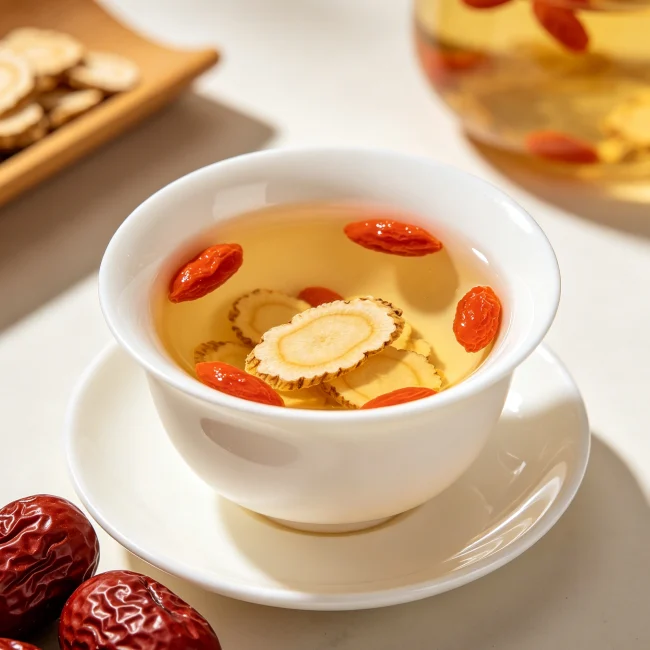
Besides chicken and pork ribs, American ginseng also pairs well with lean meat and fish. I’ve also tried steeping it with goji berries, which gives a sweet and fragrant tea perfect for the afternoon. Additionally, combining American ginseng with red dates and longan in soup creates a richer flavor.
How do you usually eat American ginseng? Have you tried any special combinations? Feel free to share in the comments, and if you like, follow me to exchange more food tips!
 Community Discussion
 Featured
 Best Answer

No comments yet. Be the first to leave a comment!