

American ginseng, also known as Xi Yang Shen or Hua Qi Shen, is a common choice for many people’s daily dietary supplementation. I’ve been drinking it for a few years myself, and today I’ll directly answer the two most frequently asked questions: whether you can take it every day, and who should avoid it. Let me start with the conclusion — I don’t recommend taking it daily, and there are several groups of people who need to be especially cautious.
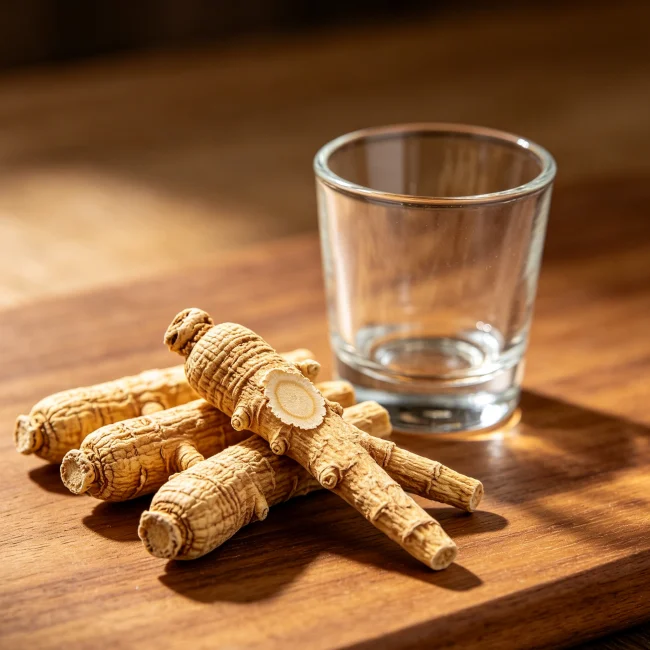
Can You Drink It Every Day? My Personal Experience
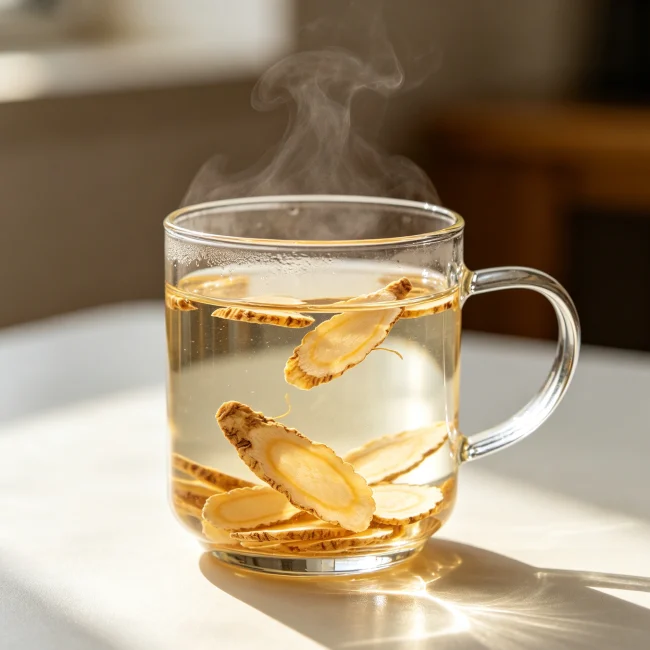
When I first started with American ginseng, I thought that since it’s good, I should take it daily. I drank it continuously for about two weeks, steeping a few slices in hot water every morning. By the third week, I started having trouble sleeping at night and felt dry mouth and throat during the day.
Later, I talked to a friend who regularly consumes ginseng. He said that although American ginseng is relatively cooling in nature, it’s still a type of ginseng, and taking it daily can put too much strain on the body. The general recommendation is to take it for two to three days, then skip a day, or just have it three to four times a week.
After adjusting my routine, I switched to taking it every other day, using just three to four slices per cup, and I felt much better. So if you ask me, I don’t recommend taking it every day; it’s better to take it intermittently.
Who Should Avoid American Ginseng?
First, people who have a cold or fever. I once drank it while I had a cold, and my throat felt even worse. Later, I learned that the body needs rest during a cold, and ginseng can actually complicate things. So, it’s best to stop during a cold.
Second, pregnant and breastfeeding women. I don’t have personal experience with this, but I’ve checked many sources and asked pharmacy staff, and they all recommend that pregnant women avoid ginseng, including American ginseng. If you’re trying to conceive or are pregnant, it’s best to avoid it.
Third, people who are prone to bloating or have poor digestion. American ginseng can be somewhat rich and cloying, and those with weak digestive systems may feel worse after taking it. A friend of mine experienced this — he felt bloated after just one serving and never drank it again.

How to Choose Quality American Ginseng Without Getting Ripped Off?
The price of American ginseng on the market varies widely, from a few dozen dollars per tael (about 37.5 grams) to over a thousand. I’ve been burned a few times, so I’ve summarized some simple identification methods.
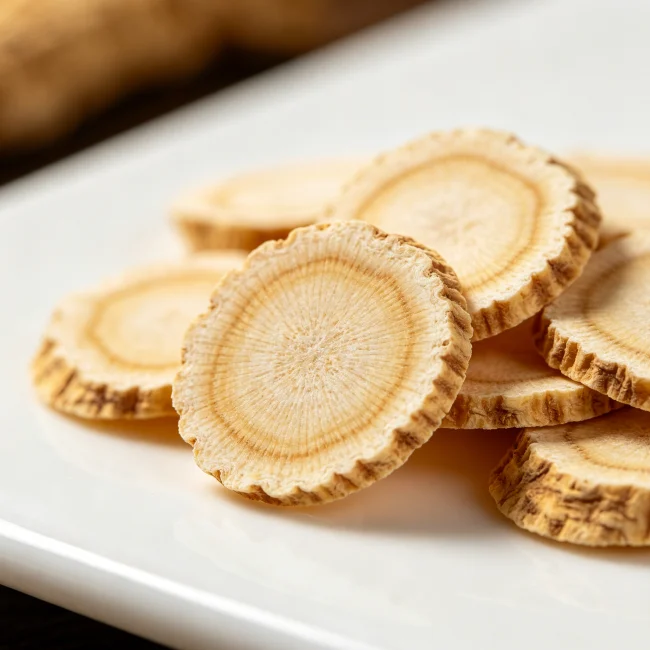
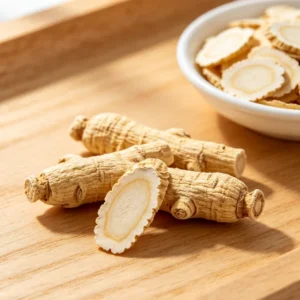
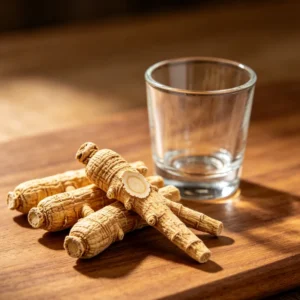
- Look at the appearance: Good American ginseng has horizontal ring patterns on the skin, a light yellow or creamy white color, a smooth cross-section, and a distinct chrysanthemum-like core pattern.
- Smell the aroma: Bring it close to your nose; it should have a faint ginseng scent, similar to ginseng but not as strong. If it smells sour or musty, the quality is poor or it hasn’t been stored properly.
- Taste it: Bite off a small piece. It should be slightly bitter at first, then have a sweet aftertaste, and make your mouth produce saliva. If it’s only bitter without the sweet aftertaste, it’s likely a lower-quality product.
- Check the origin: American ginseng from Canada and the United States is widely recognized as having better quality. It’s also grown domestically, but overall, imported ginseng has a stronger flavor.
My Common Ways of Using It
The simplest method is to steep it in water. Put the American ginseng slices in a thermos, pour in boiling water, and let it steep for ten to fifteen minutes before drinking. After you finish the water, you can chew and eat the slices — don’t waste them.
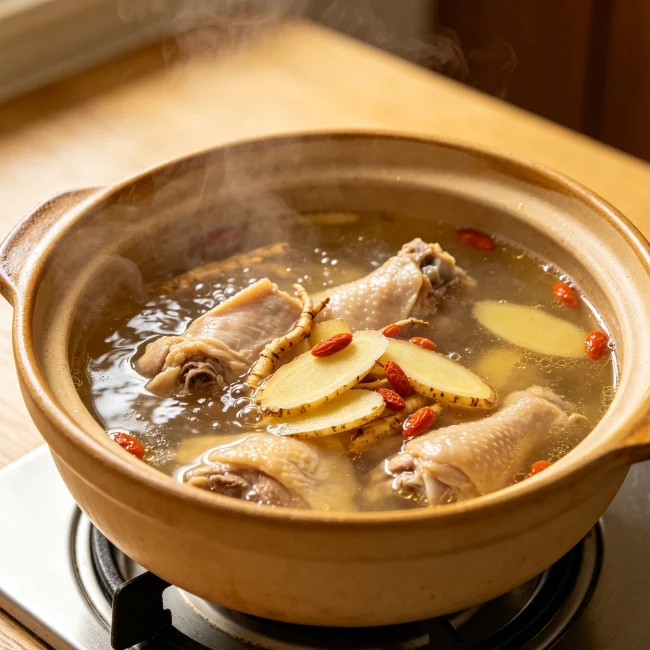
The second method is to stew it in soup. I like to add about ten slices of American ginseng to chicken soup when it’s almost done, then simmer on low heat for another twenty minutes. The broth will have a hint of ginseng aroma and taste very soothing.
The third method is to hold it under the tongue. When I’m out and about and it’s inconvenient, I just put two slices under my tongue and let them slowly dissolve. I find this method more effective than steeping.
In terms of dosage, I generally use three to five slices at a time, which is about two to three grams. There’s no need to use too much; more doesn’t mean better, and your body won’t absorb it all anyway.
What Should You Pay Attention to for Storage?
American ginseng is sensitive to moisture, high temperatures, and direct sunlight. After I buy it, I keep it in its original packaging, put it in a sealed bag, and then store it in the refrigerator. If I buy a larger quantity, I can freeze it. When I need to use it, I take it out and slice it directly without thawing.
If you notice the slices becoming soft or moldy, stop using them. Softness indicates moisture absorption; you can take them out and dry them in the sun, but too much sun exposure will affect the flavor.
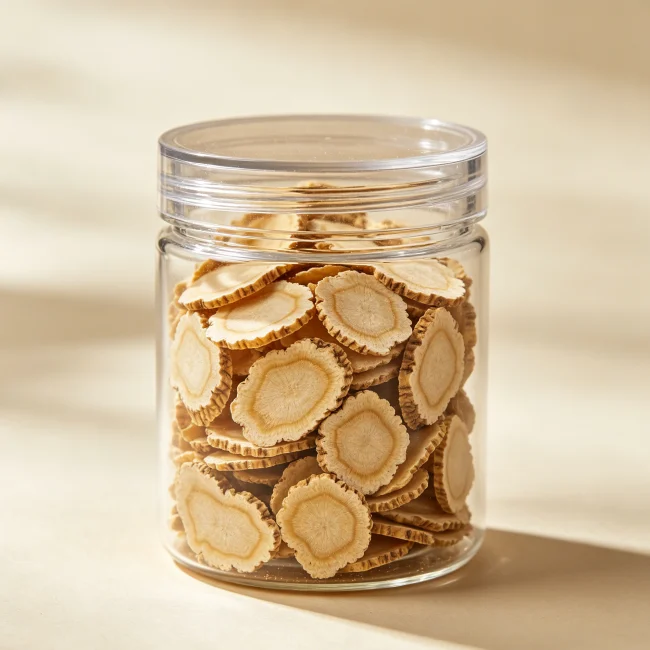
Overall, American ginseng is a good daily ingredient, but you don’t need to take it every day. Pay attention to the frequency and dosage, choose high-quality products, and avoid it if you’re in the unsuitable groups. That way, you can enjoy it safely and comfortably.
This is my personal experience and opinion. Everyone’s constitution is different, so your experience may vary. Do you have a habit of drinking American ginseng? Or is there anything you’d like to know? Feel free to chat with me in the comments section.
 Community Hot Discussion
 Who should not take American ginseng?
 Featured
 Best Answer

No comments yet. Be the first to leave a comment!