

American ginseng, also known as Xi Yang Shen or Hua Qi Shen, is a common ingredient in many households, suitable for steeping in water or simmering in soups. But there are countless online claims and taboos. So, what exactly can’t American ginseng be eaten with? Can American ginseng and red dates be steeped together? Today, I’ll organize my research and personal experience to help you avoid pairing pitfalls and eat with peace of mind.
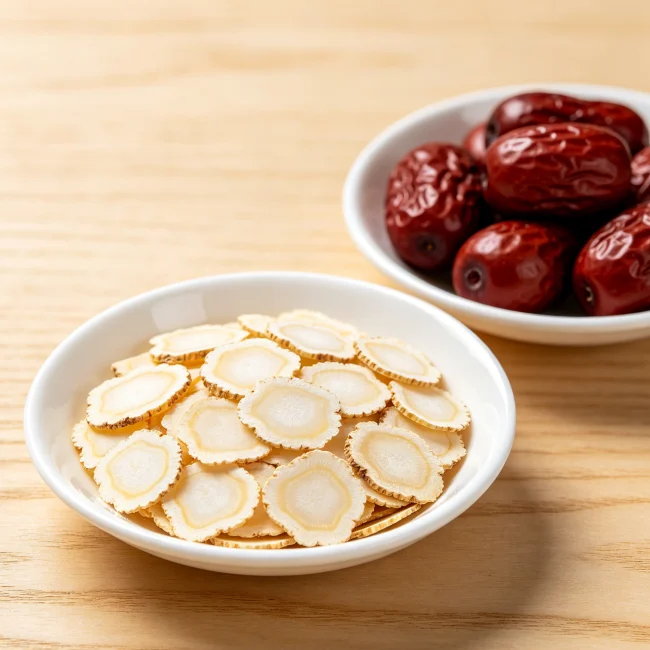
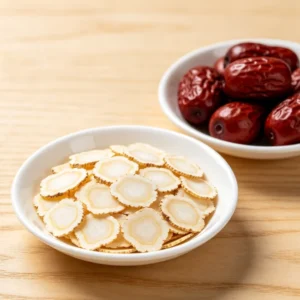
Can American ginseng and red dates be steeped together? My answer is yes
American ginseng and red dates can definitely be steeped together in water. I personally love this combination. American ginseng slices have a slightly bitter and sweet taste, which the sweetness of red dates perfectly balances, making it much smoother to drink.
Many people worry about potential conflicts between the two. Generally speaking, using American ginseng and red dates together is a common pairing. The rich sweetness of red dates and the refreshing, sweet aftertaste of American ginseng complement each other well in flavor.
I’ve tried it a few times myself: 3-4 slices of American ginseng, 2-3 pitted red dates, steeped in hot water for 10 minutes. The taste is just right. I recommend you give it a try too.
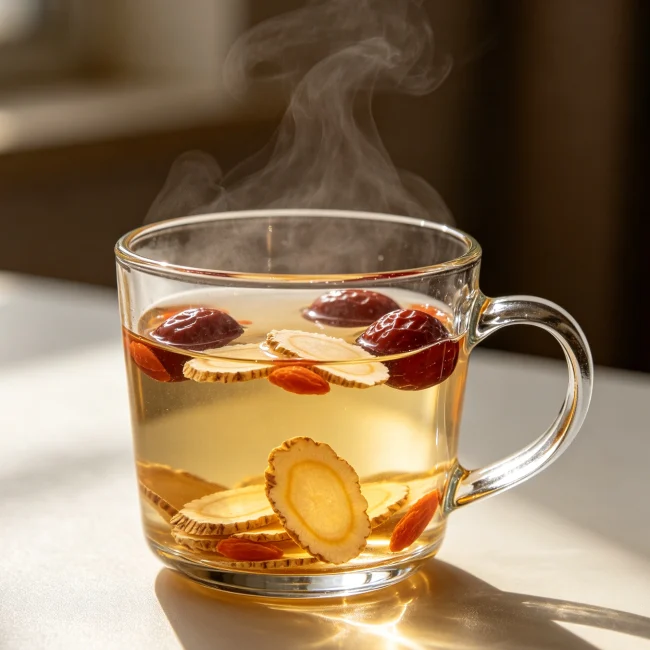
What can’t American ginseng be eaten with? Pay attention to these items
Based on my research and practical experience, there are a few things to note when pairing American ginseng. Listed below, please pay special attention.
- Strong tea: The components in tea leaves are quite complex. Drinking them together with American ginseng may affect the taste, and some people may feel uncomfortable. It’s recommended to drink them separately, with a 2-3 hour interval.
- Coffee: Coffee is also a stimulating beverage. Drinking it with American ginseng can easily make you overly excited and affect sleep. Especially avoid this combination in the evening.
- White radish: White radish aids digestion, but its properties don’t align well with American ginseng. Eating them together might diminish the effects of American ginseng. So, it’s best to avoid radish when consuming ginseng.
- Spicy and greasy foods: Items like chili peppers and fried foods can affect how your body accepts the ingredients. It’s recommended to maintain a light diet while consuming American ginseng.
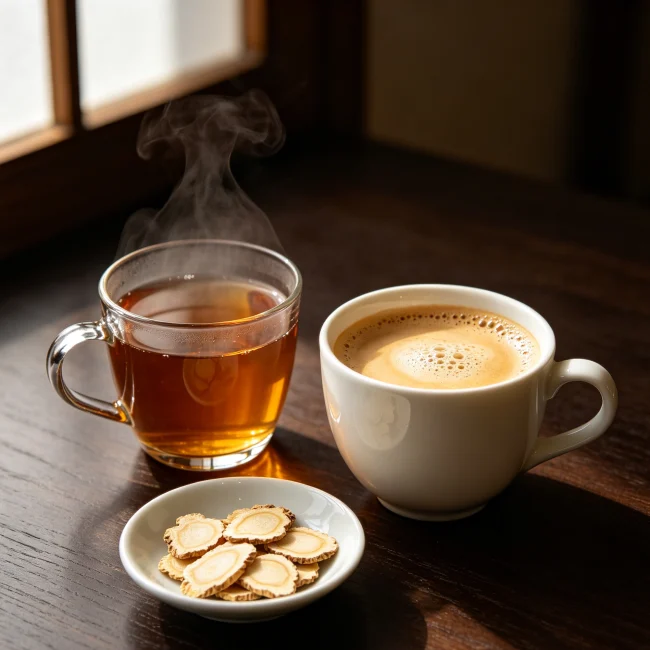
How to choose American ginseng? Three practical tips to share
The quality of American ginseng on the market varies greatly. Buying inferior products is a waste of money. I’ve summarized three simple identification methods that you can use when purchasing.
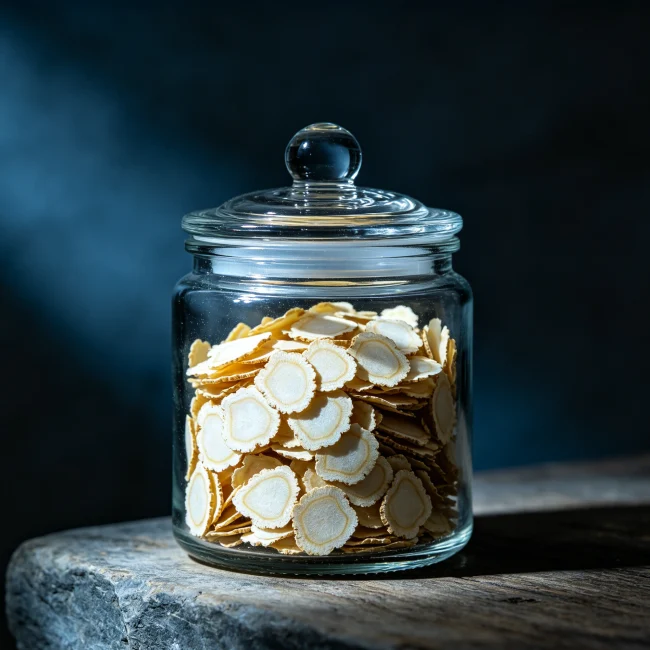
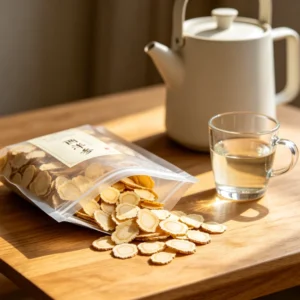
- Look at the appearance: Good American ginseng slices have clear textures, are thin and uniform, and are pale yellow or off-white in color. If the color is dark or has black spots, it may have been stored for too long.
- Smell the aroma: Genuine American ginseng has a unique ginseng fragrance, smelling cool and sweet. Inferior ginseng has a pungent or sour smell, or even no smell at all.
- Taste it: Take a small slice and chew it. Good American ginseng is slightly bitter at first, quickly turns sweet, and promotes saliva production. If it’s only bitter without sweetness, or tastes sour, the quality is poor.
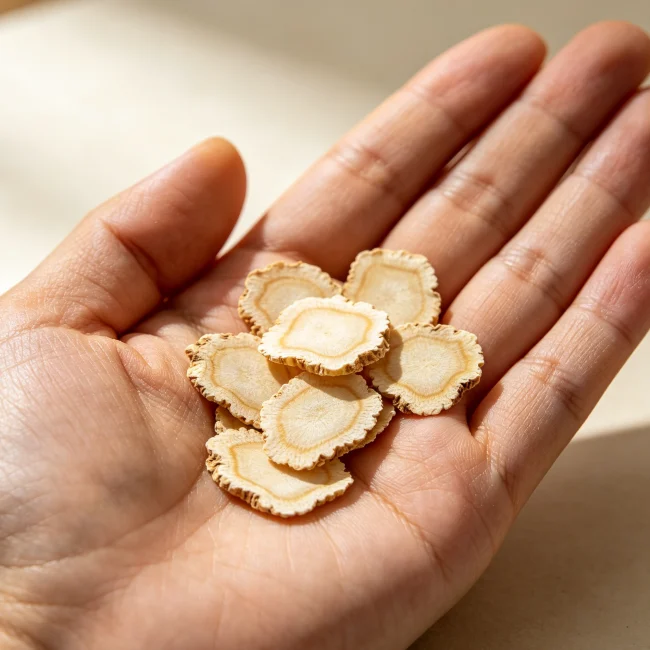
How to eat American ginseng? Three simple methods I commonly use
There are many ways to eat American ginseng. My most common methods are steeping in water and simmering in soups—simple and practical. Here’s how to do it specifically.
First, steep it in water. Take 3-5 slices of American ginseng, put them in a thermos or glass cup, add boiling water, cover, and let steep for 10-15 minutes. When the water loses its flavor, you can eat the ginseng slices to avoid waste.
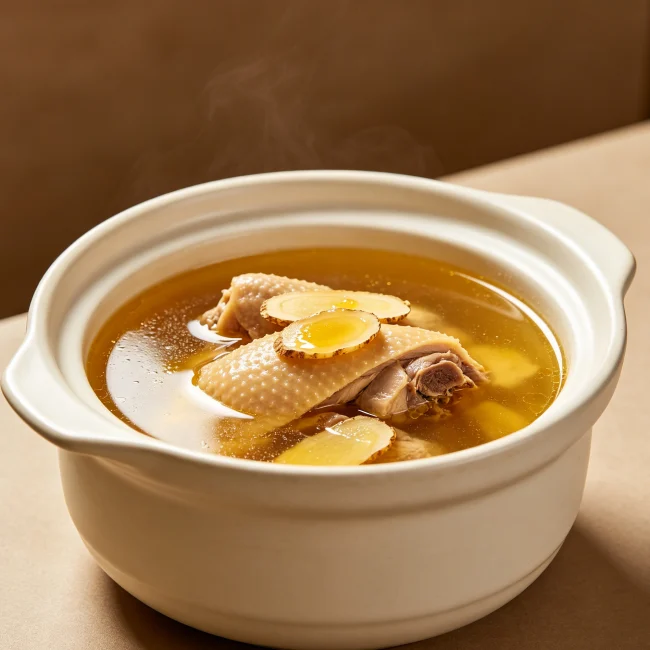
Second, simmer it in soup. When making chicken soup or pork rib soup, add 10-15 slices of American ginseng 20 minutes before turning off the heat, and simmer on low heat for a while. The ginseng flavor infuses into the soup, making it very savory and sweet.
Third, hold it in your mouth. If you can tolerate the taste of ginseng, simply place a slice of American ginseng in your mouth and let it dissolve slowly. The bitterness is followed by a sweet aftertaste, which is quite pleasant.
Small reminder on storing American ginseng
American ginseng is afraid of moisture and high temperatures. Improper storage can easily lead to mold and spoilage. I usually store it in a sealed jar in a cool, dry place, or directly in the refrigerator. If you find the slices have become soft or have white fuzz, do not eat them anymore.
Additionally, although American ginseng is good, it’s not suitable for everyone. Generally speaking, people who are prone to getting heaty or have a hot constitution should consume it sparingly or avoid it. Also, it’s recommended to stop consuming it during a cold or fever.
These are some of my personal experiences with American ginseng. I hope they are helpful to you. If you also have your own pairing tips, feel free to share them in the comments section. If you like it, remember to give a thumbs up and follow me. I’ll share more ingredient tips with you in the future!
 Community Hot Discussion
 Featured

No comments yet. Be the first to leave a comment!